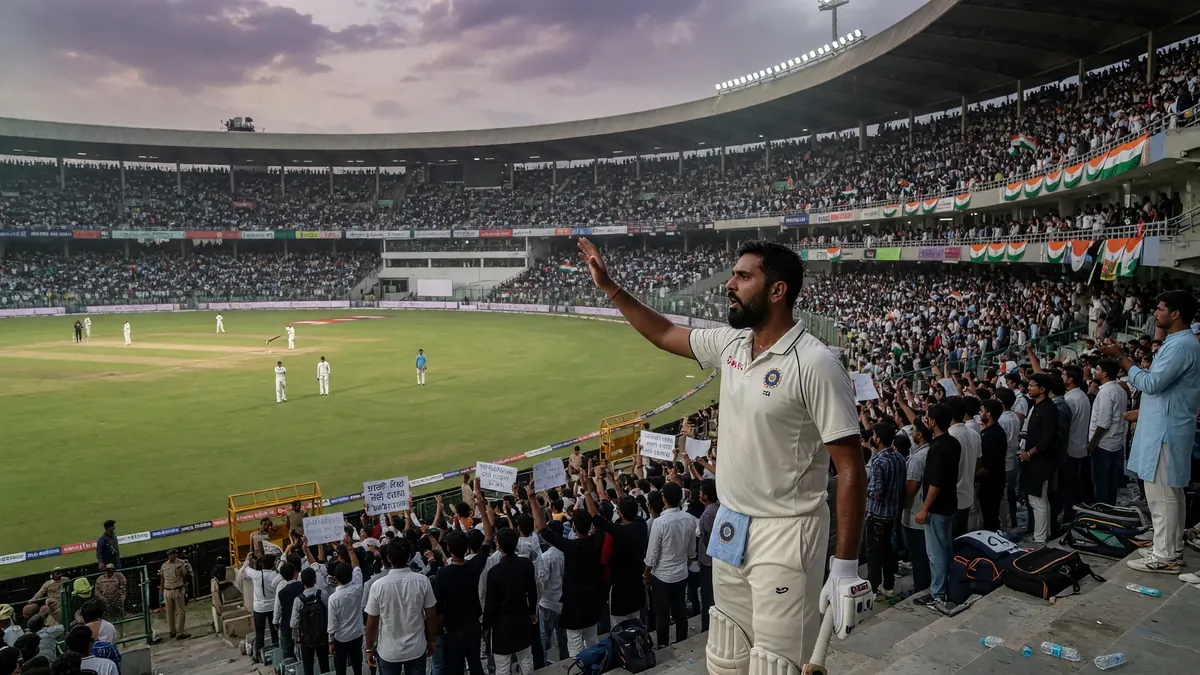
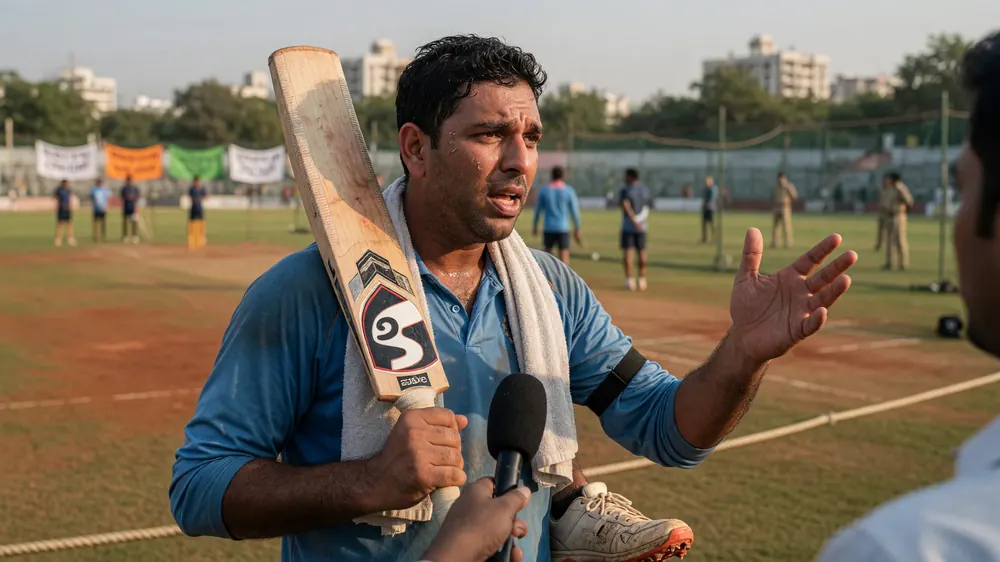
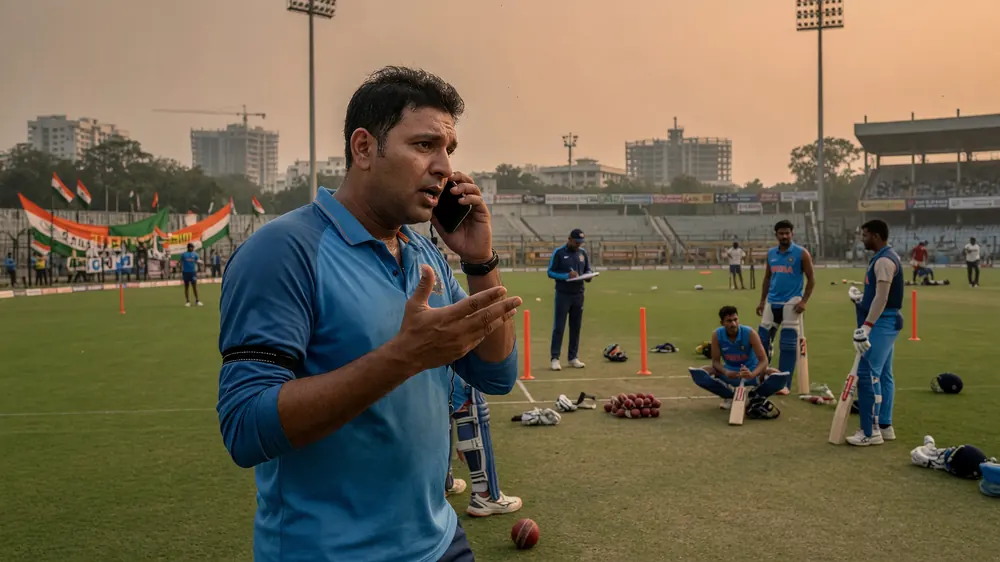
Yuvraj Singh appeals for dialogue as Delhi education protests continue after Parliament-march clashes
Former India all-rounder Yuvraj Singh used Instagram to urge the Centre and Cockroach Janta Party protestors to settle their dispute through dialogue, as thousands stayed on the streets of Delhi through rain and a tense opening of Parliament's monsoon session.
· Casumo News Desk · Cricket & public life
Compliance Notice: Casumo is a skill-based fantasy sports platform operating in India. This product is available only to users 18+ in permitted states. Fantasy sports involve skill and strategy; outcomes depend on real-world match performance. Please play responsibly. Check local regulations before participating.
By late Tuesday, 21 July 2026, the education sit-in at the heart of Delhi had already survived dismantled tents, monsoon rain and a hard police line around Parliament. Into that noise stepped Yuvraj Singh — not with a match preview or a franchise teaser, but with a short Instagram note that asked both the Indian government and Cockroach Janta Party (CJP) protestors to talk rather than harden positions. The message was simple enough to travel: every child, student, woman and man, he wrote, deserves the chance to learn in peace, and dialogue can still produce an amicable answer for the country's future.
For a cricket audience, the post sits in a familiar lane. Indian players who carry World Cup weight often become default amplifiers when a national argument is loud enough. Yuvraj's intervention did not announce a new campaign, a fundraiser or a party line. It framed the standoff as a shared problem that still has room for negotiation — a tone closer to a senior dressing-room peacemaker than to a political briefing.
What Yuvraj Singh said, and why it cut through
According to reporting carried by Hindustan Times on 22 July 2026, Yuvraj used Instagram to address both sides of the argument at once. He asked the Centre and the CJP protestors to resolve outstanding issues through dialogue. The language stressed opportunity and calm rather than blame: learning, he argued, should not have to wait on street confrontation, and a negotiated path remains available if both camps choose it.
That framing matters because the sit-in has already moved past a single-day rally. CJP supporters have kept a round-the-clock presence even after police cleared a stage and temporary tents at Jantar Mantar. When a former World Cup winner speaks into a protest that is measured in days rather than hours, the post functions less as celebrity noise and more as a public pressure signal that the argument has reached a wider Indian audience — including people who mostly follow cricket, not education policy.
Yuvraj did not, on the available record, list a timetable, name a mediator or claim to speak for the Board of Control for Cricket in India. The post is best read as a moral appeal from a high-profile former international, not as an official cricket-board position. That distinction is useful for readers who see player statements and assume institutional backing where none has been stated.
Former internationals still command attention when they step outside match-day commentary — Yuvraj's note followed that pattern.
How Delhi got here: Monday's march and the sit-in that stayed
The immediate trigger for the latest escalation was Monday, 20 July 2026. As the monsoon session of Parliament opened, CJP called a march toward the complex. Thousands of supporters moved into central Delhi. Police blocked entrances. Multiple accounts described lathi charges and tear gas. At least 60 protestors were reported injured on Monday alone.
The numbers matter because they explain why the protest did not dissolve overnight. A crowd large enough to fill central corridors, followed by injuries and a cleared campsite, rarely ends with a quiet Tuesday. Instead, officers dismantled the stage and makeshift tents at Jantar Mantar while protestors kept the sit-in alive around the clock. Heavy rainfall did not empty the site. The combination — parliamentary calendar, street numbers, police force and weather — is what turned a planned march into a multi-day standoff.
Readers following only the cricket timeline should treat Monday as the hard date stamp. Everything else in this report — Yuvraj's appeal, the Kejriwal visit, CJP's message to Sonam Wangchuk — sits on top of that 20 July clash and the unfinished sit-in that followed it.
Coverage of the street events has focused on three practical questions: whether the march route ever reached the parliamentary approaches; how many people needed medical attention after the police action; and whether the cleared Jantar Mantar infrastructure would force the protest to relocate or simply reshape in place. On the verified record available to this desk, entrances were blocked, injuries were reported in the dozens, and the sit-in continued after the stage and tents came down. Those three facts define the physical state of the protest as of mid-week.
The demands, the policing response, and a political visit
CJP's core demands, as reported, centre on education reforms and the resignation of Education Minister Dharmendra Pradhan. The group has also tied its presence to "examination justice" — a phrase it has used while publicly asking activist Sonam Wangchuk to end his hunger strike even as CJP itself pledges to continue protesting until those examination-related demands are met. In other words, the organisation is trying to manage internal optics: de-escalate one high-risk personal protest tactic while refusing to pack up the larger street campaign.
On Tuesday, former Delhi chief minister Arvind Kejriwal visited the protestors. A visit of that kind does not, by itself, settle a national education argument. It does, however, raise the political temperature around a sit-in that police have already tried to shrink physically. When a former city chief executive walks the ground a day after injuries are reported, the protest gains another layer of national visibility beyond the student and activist circles that started it.
None of the verified reporting available to Casumo's news desk confirms a formal government counter-offer, a written roadmap from the Education Ministry, or a court-ordered freeze on police action. Until those appear on the record, the standoff remains a contest of endurance: protestors holding space through rain, police managing access and infrastructure, and public figures — from Kejriwal to Yuvraj — choosing whether to amplify, mediate or stay silent.
Public appeals from former players rarely rewrite policy overnight, but they change who is listening.
Why a former national star's public note still matters
Indian cricket has a long habit of turning match winners into national messengers. Yuvraj's generation — the core of the 2007 T20 and 2011 ODI World Cup sides — still carries that residual trust with fans who may skip party press conferences but will open an Instagram story from a player they watched lift a trophy. When such a figure asks for dialogue rather than victory for one side, the post can soften the temperature of a feed that has otherwise filled with injury counts and march footage.
There is a second, quieter reason the note travels inside cricket circles. Younger domestic and franchise players watch how seniors handle off-field flashpoints. A carefully worded call for talks sets a different example from either total silence or a partisan pile-on. It also gives editors, fans and fantasy readers a clean factual hook: a named former international, a dated protest, a concrete request. That is why the story belongs on a cricket news desk even though the underlying dispute is about education policy, not selection or contracts.
Readers who want a wider set of cricket briefs — match reports, squad notes and form reads — can start from the site's cricket news archive. This piece stays inside the verified Yuvraj-and-Delhi lane rather than stretching into unverified political forecasts.
It is also worth separating three layers that often get flattened in social discussion. First is the street fact pattern: march, police block, reported injuries, cleared tents, ongoing sit-in. Second is the demand pattern: education reform language, a call for the Education Minister's resignation, and the examination-justice pledge tied to Wangchuk's hunger strike. Third is the messenger pattern: Kejriwal's Tuesday visit and Yuvraj's Instagram appeal. Mixing those layers produces confusion — for example, treating Yuvraj's note as if it were a formal mediation mandate, or treating Kejriwal's presence as proof that the sit-in has already secured a policy win. On the current record, neither claim holds.
What comes next for the sit-in and the monsoon session
Two calendars now run in parallel. Inside Parliament, the monsoon session continues with its ordinary legislative agenda. Outside, CJP has said it will keep protesting until its examination-justice demands are met, even while asking Sonam Wangchuk to step back from a hunger strike. That split — protect a high-risk individual tactic, maintain collective pressure — suggests the organisation expects a longer negotiation rather than a 48-hour breakthrough.
Watchpoints that do not require speculation: whether police again attempt to clear remaining sit-in infrastructure; whether the Education Ministry issues any public statement naming Dharmendra Pradhan's portfolio or examination-process reviews; whether Wangchuk ends the hunger strike after CJP's request; and whether further national figures, from sport or politics, add their own calls for talks. Each of those can be checked against primary statements as they appear. Until then, the verified picture is unchanged: a multi-day Delhi education protest born of a 20 July Parliament-march clash, an injury toll reported at sixty-plus on Monday, a sit-in that outlasted dismantled tents and rain, a Tuesday visit by Arvind Kejriwal, and a dialogue appeal from Yuvraj Singh aimed at both the Centre and the protestors.
For cricket followers, the near-term interest is not a fantasy points swing. It is the reminder that former internationals remain part of India's broader public square. When they speak, the least a news desk can do is keep the facts tight, the timeline clean and the difference between appeal and authority visible.
Quick timeline
When
What is confirmed
Mon 20 Jul 2026
CJP march toward Parliament as monsoon session opens; police block entrances; lathi charges and tear gas reported; at least 60 protestors injured.
Mon–Tue
Stage and makeshift tents at Jantar Mantar dismantled; round-the-clock sit-in continues through heavy rain.
Tue 21 Jul 2026
Former Delhi chief minister Arvind Kejriwal visits protestors.
By Wed 22 Jul 2026
Yuvraj Singh posts Instagram appeal urging dialogue between the Centre and CJP protestors; CJP asks Sonam Wangchuk to end hunger strike while pledging to continue protests for examination justice.
What exactly did Yuvraj Singh ask for?
He urged the Indian government and CJP protestors to resolve issues through dialogue, saying every child, student, woman and man deserves the chance to learn in peace and that talks can still produce an amicable solution for India's future. The message was reported from his Instagram post and does not, on the available record, include a mediation plan or party endorsement.
Why were people protesting in Delhi?
Thousands of CJP supporters have been seeking education reforms and the resignation of Education Minister Dharmendra Pradhan. The group has also framed its continued presence around examination justice, even while asking activist Sonam Wangchuk to end his hunger strike.
What happened on Monday, 20 July 2026?
CJP called a march to Parliament as the monsoon session began. Thousands entered central Delhi. Police blocked entrances and were reported to have used lathi charges and tear gas. At least 60 protestors were injured. Officers later dismantled a stage and tents at Jantar Mantar, but the sit-in continued.
Did any political leader visit the protest site?
Yes. On Tuesday, former Delhi chief minister Arvind Kejriwal visited the protestors. That visit is confirmed in the same reporting chain as the injury figures and the Yuvraj appeal; it should not be read as a formal settlement.
Is this a Board of Control for Cricket in India statement?
No. The verified record describes a personal Instagram appeal by Yuvraj Singh. There is no confirmed BCCI institutional position attached to the post in the source material used for this report.
Primary facts in this report follow Hindustan Times coverage published 22 July 2026 on Yuvraj Singh's Instagram appeal and the ongoing CJP education protests in Delhi. Where confirmation is absent — including any government counter-offer or official cricket-board response — that absence is stated rather than filled in.